Modern Pest Control Services Using Advanced Treatment Methods
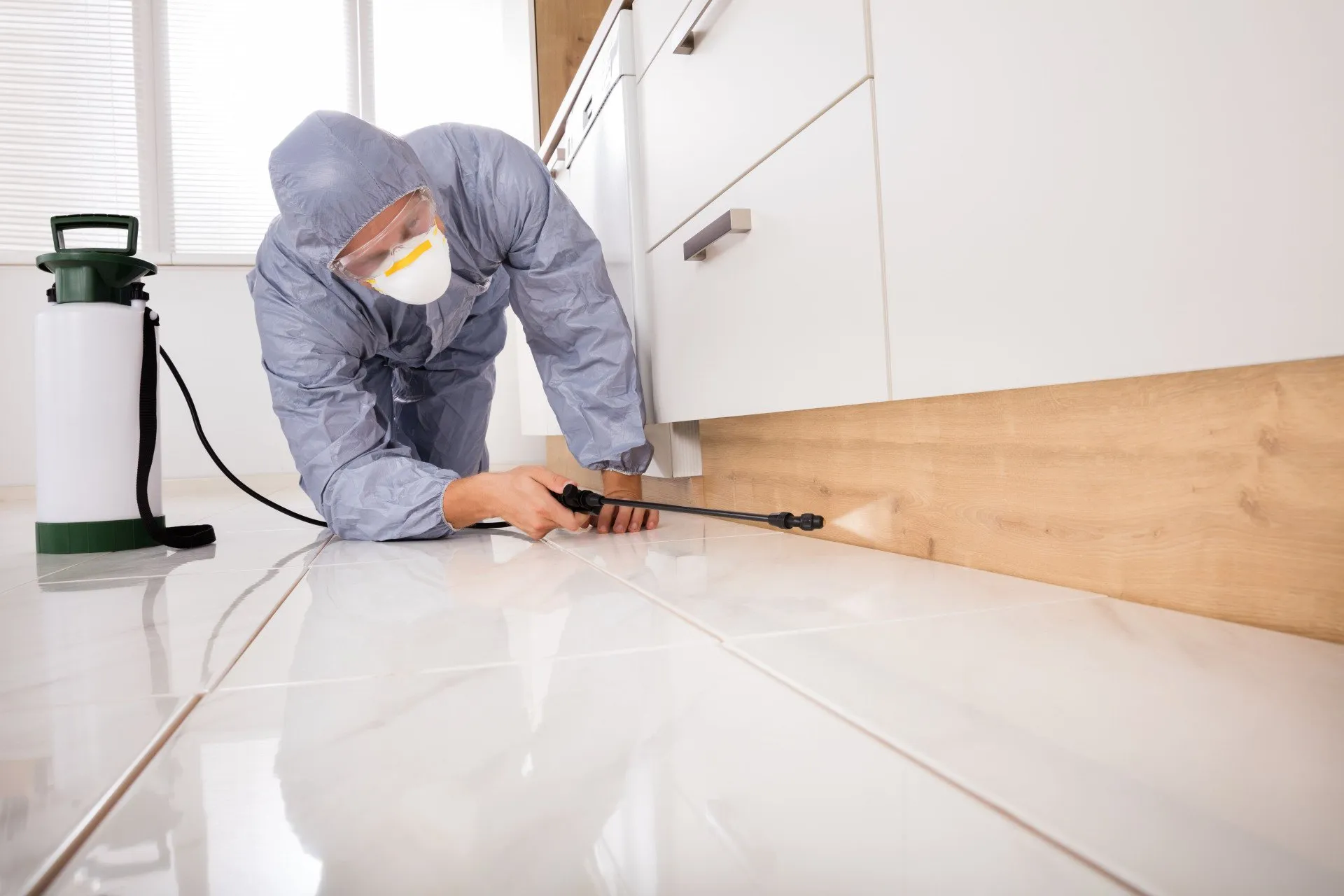

Pests have always adapted faster than most property owners expect. A mouse can learn a new route around a trap line within days. German cockroaches can survive treatments that once wiped out an infestation in a single visit. Bed bugs hide in places so narrow that a credit card barely fits. The work of modern Pest Control Services is no longer just about spraying baseboards and hoping for the best. It is about reading pest behavior, understanding building conditions, and applying precise treatment methods that solve the problem without creating a bigger one.
That shift has changed what good service looks like. Years ago, many companies sold broad, routine treatments as if every property had the same risk profile. A warehouse, a daycare, a restaurant kitchen, and a second-floor condo received versions of the same playbook. Experienced technicians knew better, but the tools available were often blunt. Today, the better firms operate more like investigators and risk managers. They inspect first, verify the pest species, identify why the infestation took hold, and then combine targeted control methods with sanitation, exclusion, and monitoring.
The result is safer, more durable control, especially in environments where people, pets, food, and sensitive materials are present.
Why older treatment habits fall short
Many of the frustrations people have with pest control come from outdated expectations. If a homeowner calls after seeing ants in the kitchen, they may assume the answer is a stronger chemical. If a restaurant manager notices flies near a prep sink, there is often pressure for immediate visible action. Fast action matters, but visible action and effective action are not always the same thing.
A surface spray can kill the insects that happen to cross it. It may not touch the colony behind a wall void, the moisture source under a cabinet, or the grease buildup in a floor drain that keeps feeding the problem. This is where advanced treatment methods earn their value. They focus less on blanket application and more on the biology of the pest and the conditions that support it.
That distinction matters in practical terms. A scattered ant trail is not treated the same way as odorous house ants nesting beneath a slab. Rodent droppings in an attic call for a different approach than fresh rat rub marks along a warehouse wall. Bed bugs in a single apartment demand containment as much as treatment, because neighboring units may already be exposed through wall penetrations and shared utility lines.
Professionals who rely on modern methods spend more time inspecting than many clients expect. That is not wasted time. It is usually the reason the second visit is smaller than the first.
Inspection has become far more technical
The best treatment plan still starts with a flashlight, a trained eye, and patience. What has changed is the quality of diagnostic tools available to technicians. Thermal imaging cameras, moisture meters, borescopes, remote monitoring devices, and detailed digital reporting have sharpened the inspection process.
Moisture is a perfect example. In many homes, persistent springtail, silverfish, or cockroach activity is tied to damp conditions the owner does not notice. A technician using a moisture meter can quickly identify elevated readings under a dishwasher, behind a bathroom wall, or around a leaking water heater pan. That changes the recommendation immediately. Instead of selling repeated pesticide visits, the technician can explain that unless the moisture issue is corrected, the pests will keep returning.
Wall void inspections are another area where newer tools make a real difference. A borescope inserted through a small opening can confirm rodent nesting, insect harborages, or damaged insulation without unnecessary demolition. In commercial accounts, remote monitors can show exactly when and where activity occurs. Rather than checking every station on a rigid schedule, the service team responds to real activity data. That saves labor, reduces disruption, and improves control.
Digital documentation may sound administrative, but it has become one of the more useful advances in Pest Control Services. A technician can now attach photos of entry points, map activity by room, note conducive conditions, and track changes over time. On large properties, that record becomes essential. It shows whether a problem is improving, shifting, or spreading.
Integrated pest management is no longer a niche approach
Integrated pest management, often shortened to IPM, has been discussed for years, but it is now central to serious pest control work. The principle is simple. Instead of treating pests as isolated invaders, IPM looks at the full environment that allows them to survive.
That means a proper service visit might include sealing utility penetrations, changing garbage handling routines, adjusting irrigation patterns, vacuuming visible insects, placing monitoring devices, and using a pesticide only where it serves a specific purpose. Some clients initially resist this because they equate effort with liquid volume. They think more spray means better service. In practice, smarter targeting usually wins.
A common case involves German cockroaches in multifamily housing. Spraying exposed surfaces may produce a short burst of dead insects and a false sense of progress. Modern treatment tends to lean on gel baits, insect growth regulators, flushing agents used selectively, crack-and-crevice applications, and follow-up monitoring. The growth regulator interrupts development, the bait reaches hidden harborages, and the inspection identifies sanitation failures that keep the infestation alive. It is slower to explain, but usually faster to solve.
IPM also protects sensitive environments. In schools, medical facilities, and food production spaces, the goal is not simply to eliminate pests. It is to do so with the least disruption and the lowest practical risk. That calls for judgment, not just product familiarity.
Targeted baits and precision formulations
One of the biggest improvements in pest control over the past two decades has been the sophistication of bait technology. Not every bait works in every condition, and not every pest population responds the same way, but when baits are selected and placed correctly, they are often more effective than broad applications.
Ants are the classic example. Different species prefer different food sources. Some lean toward sugars, others toward proteins or oils, and those preferences can shift with colony needs and season. An experienced technician will often test a few bait types before settling into a full treatment plan. If the wrong bait is chosen, the ants may ignore it entirely. If the right one is used, foragers carry it back to the colony and feed other members through trophallaxis, which is essentially food sharing. That is how the treatment reaches the hidden population.
Cockroach control has also improved because of better bait rotation. In the field, technicians sometimes see reduced bait acceptance when the same active ingredients are used repeatedly in the same building over long periods. Rotating formulations and combining them with non-repellent residual materials can restore performance. This is where experience matters. The label may permit several uses, but knowing when a population is bait-averse or when competing food sources are undermining acceptance is the difference between a routine visit and a meaningful one.
Rodent baiting has become more controlled as well. Exterior stations are now designed to reduce access by non-target animals and children, and better service programs treat those stations as one piece of a larger system, not the whole system. If mice are entering through a gap under a roll-up door, no amount of bait outside replaces proper exclusion.
Heat, steam, and non-chemical methods for difficult infestations
Some pests are best handled with methods that rely little on residual chemistry. Bed bugs have pushed this trend forward more than any other pest. Whole-room or whole-structure heat treatment, when performed correctly, can be extremely effective because it penetrates places traditional sprays cannot easily reach.
The caveat is important. Heat is not magic. It requires careful setup, constant temperature monitoring, air movement, and a technician who understands cold spots. Cluttered rooms, insulated voids, heavy furniture, and densely packed belongings can prevent lethal temperatures from reaching hidden bed bugs or eggs. A rushed heat job often creates a temporary lull rather than full control.
Steam has carved out a useful role too. Dry vapor steam can kill bed bugs, eggs, and some surface-dwelling pests on contact when applied carefully to seams, tufts, cracks, and upholstered edges. It is also useful in certain commercial sanitation settings where chemical residues are undesirable. Yet it is labor-intensive and skill-dependent. Too fast, and the heat does not transfer. Too much moisture, and materials can be damaged or mold risks increased.
For pantry pests and stored product insects, exclusion, cleaning, product rotation, and pheromone monitoring often do more than chemical treatment. In one food storage account, the true source of recurring moth activity was not the shelves under complaint. It was a forgotten pallet of old dry goods in an upper storage cage, wrapped tightly enough to hide webbing but not tightly enough to stop emergence. No spray program would have solved that on its own.
Digital monitoring and data-driven service
Modern pest programs increasingly rely on monitoring devices that gather usable data rather than anecdotal impressions. This is especially valuable in commercial settings, where activity patterns matter as much as raw pest numbers.
A warehouse might have recurring rodent pressure only along one loading corridor, between 2 a.m. And dawn, when the doors are cycled for deliveries and the exterior lights attract insects that in turn attract other animals. A restaurant may have small fly activity clustered near one mop sink because a cracked drain line is feeding organic buildup below the slab. Without data, these remain recurring mysteries. With data, treatment becomes focused.
Remote monitoring systems can alert service teams when activity occurs in certain stations, reducing the lag between infestation and response. That matters in sensitive accounts. A food processing facility, for instance, cannot afford to wait for a monthly inspection to discover a rodent breach. Early alerts keep a small issue from becoming a regulatory and operational problem.
This technology does not replace technicians. It improves them. Devices report movement or captures, but they do not interpret why activity changed. Human judgment is still needed to connect the event to weather, sanitation lapses, structural openings, landscaping changes, or nearby construction that displaced pest populations.
Exclusion is often the treatment that lasts longest
Clients sometimes underestimate exclusion because it lacks drama. There is no strong odor, no visible knockdown, no immediate pile of dead insects to point at. Yet sealing access points is often the most durable improvement a property can make.
Mice can fit through gaps roughly the width of a dime, sometimes smaller if the edge is flexible. German cockroaches move through pipe chases, wall voids, and cabinet penetrations with ease. Wasps exploit tiny fascia gaps. Stored water around foundations invites termites and other moisture-loving pests even if the insects are not yet visible.
Good exclusion work is detailed work. It involves door sweeps that actually touch the threshold, not just hang above it. It means sealing around conduit lines with materials suitable for the substrate and exposure. It means screening vents, repairing torn crawlspace access covers, trimming vegetation that bridges rooflines, and correcting drainage where water sits against the structure.
One of the more revealing moments on inspections comes when a client says they have treated repeatedly for rodents but still hears activity every winter. A walk around the exterior often tells the story. Dryer vent flaps stuck open, garage corners chewed and soft, missing weather stripping, utility lines entering through oversized openings. The mice are not beating the treatment. They are simply re-entering.
What advanced Pest Control Services typically include
- A thorough inspection before major treatment, often with photos, moisture readings, or monitoring data
- Species-specific treatment rather than one standard application for every pest
- Use of targeted tools such as baits, insect growth regulators, heat, steam, traps, and exclusion materials
- Follow-up based on results, not just a preset routine
- Clear communication about sanitation, repairs, and realistic timelines
These points sound straightforward, but together they separate a modern program from a cosmetic one. They also change the relationship between the service provider and the client. Better pest control is collaborative. If a technician identifies a leaking ice machine line feeding roaches under a counter, that issue has to be repaired. If overgrown ivy is creating a highway for ants and spiders, it needs trimming. Treatment alone has limits.
Safety has become more practical and more transparent
A professional service should never pretend that all pest control products are harmless, nor should it exaggerate risk to create fear. The useful middle ground is transparency. Products have labels, use directions, reentry instructions, and environmental limits for a reason. Advanced service means using the least intrusive method likely to work, in the smallest effective amount, in the right place.
That often means crack-and-crevice treatment instead of broadcast treatment. It means tamper-resistant rodent stations rather than loose bait placement. It means vacuuming live insects before applying product, and choosing formulations appropriate to the site. In homes with pets, aquariums, or chemically sensitive occupants, planning matters. In food environments, so does scheduling. Treating after cleanup and before a quiet window can improve both safety and effectiveness.
One change that clients appreciate is better communication. Instead of hearing, “We sprayed everywhere,” they hear exactly where materials were applied, why those spots mattered, what to avoid touching, and what to watch for over the next several days. That level of detail builds trust because it reflects actual control work, not sales language.
The reality of timelines and follow-up
Not every infestation should be resolved in a single visit, and a company that promises instant elimination of every pest is often overselling. Fleas, bed bugs, German cockroaches, and established rodent infestations frequently require phased treatment. Eggs hatch later. Hidden harborages are discovered gradually. Structural repairs take time. Occupants sometimes improve sanitation for a week and then slide back into the same routines that fed the problem.
Realistic service plans account for this. A serious cockroach job in a heavily infested apartment may show strong reduction within one to two weeks, but full stabilization can take longer, especially if neighboring units remain untreated. Rodent work often improves dramatically after exclusion, but attic noises may continue briefly as trapped animals seek escape routes or as old nesting activity is mistaken for new movement. Termite treatment timelines vary widely depending on the method used and the construction details of the structure.
The point is not that advanced methods are slow. It is that they are measurable. Good Pest Control Services explain what progress should look like, what setbacks are possible, and when the plan needs adjustment.
Preparing the property so treatment works
Even excellent methods can be undermined by poor preparation. The most effective technicians know how to ask for only the https://jaidencjfc554.swiftnestly.com/posts/how-professional-pest-control-services-protect-against-health-risks prep that truly matters. Overly complicated prep lists create frustration and delay. Practical prep improves access and treatment quality.
- Reduce clutter around active areas, especially under sinks, along baseboards, and around beds or stored goods
- Correct obvious moisture issues when possible, such as active leaks or standing water
- Store food in sealed containers and clean grease, crumbs, and pet food residues consistently
- Follow laundering or heat-drying instructions exactly for bed bug or fabric-related work
- Ask questions before moving items, because some infestations spread when belongings are relocated carelessly
That last point is easy to miss. I have seen tenants carry infested bedding through hallways to communal laundry rooms without bagging it, then wonder why neighboring units developed problems weeks later. Preparation should support containment, not defeat it.
Choosing a provider that understands modern treatment methods
The easiest way to judge a pest control company is not by the truck wrap or the product names they mention. It is by the questions they ask. A capable technician wants to know when the pests were first noticed, where activity is strongest, whether weather or construction changed nearby, what sanitation conditions exist, and whether previous treatments produced any pattern of improvement.
They should be willing to say, “I need to inspect before I quote the treatment approach.” That answer sometimes disappoints customers who want an immediate fixed price by phone, but it is often a sign of professionalism. Pest pressure in a clean single-family kitchen is not the same as pest pressure in an overcrowded apartment with plumbing leaks and adjoining units.
Look for evidence of problem-solving rather than routine repetition. A good provider can explain why one method fits and another does not. They talk about entry points, pressure zones, sanitation, monitoring, and follow-up. They know that a family with toddlers needs different placement decisions than a vacant warehouse does. They do not hide behind vague assurances.
Modern Pest Control Services are at their best when they combine old-fashioned field sense with better tools and tighter methods. The pests are still persistent. Buildings are still full of hidden vulnerabilities. Human habits still create ideal conditions for infestations. What has improved is our ability to diagnose accurately and respond with precision. For property owners, that means fewer wasted treatments, fewer surprises, and a better chance that the problem stays solved after the truck pulls away.
Affordable Pest Solutions LLC
Phone number: +19732299547
FAQ About Pest Control Services
How much does pest control charge?
For a standard 1,500-square-foot home, professional pest control charges generally average $100 to $300 for an initial visit, with ongoing monthly services running $40 to $75 per visit and one-time emergency exterminations costing $100 to $600, depending heavily on the specific pest and the severity of the infestation.
What is the hardest pest to get rid of?
Bed bugs are widely considered the hardest household pest to get rid of, closely followed by German cockroaches and subterranean termites.
What is included in a pest control service?
A standard pest control service includes a property inspection, targeted treatments, and prevention advice. It typically covers common pests like ants, spiders, and cockroaches, using sprays, baits, or traps.