How Expert Pest Control Services Handle Hard-to-Reach Infestations
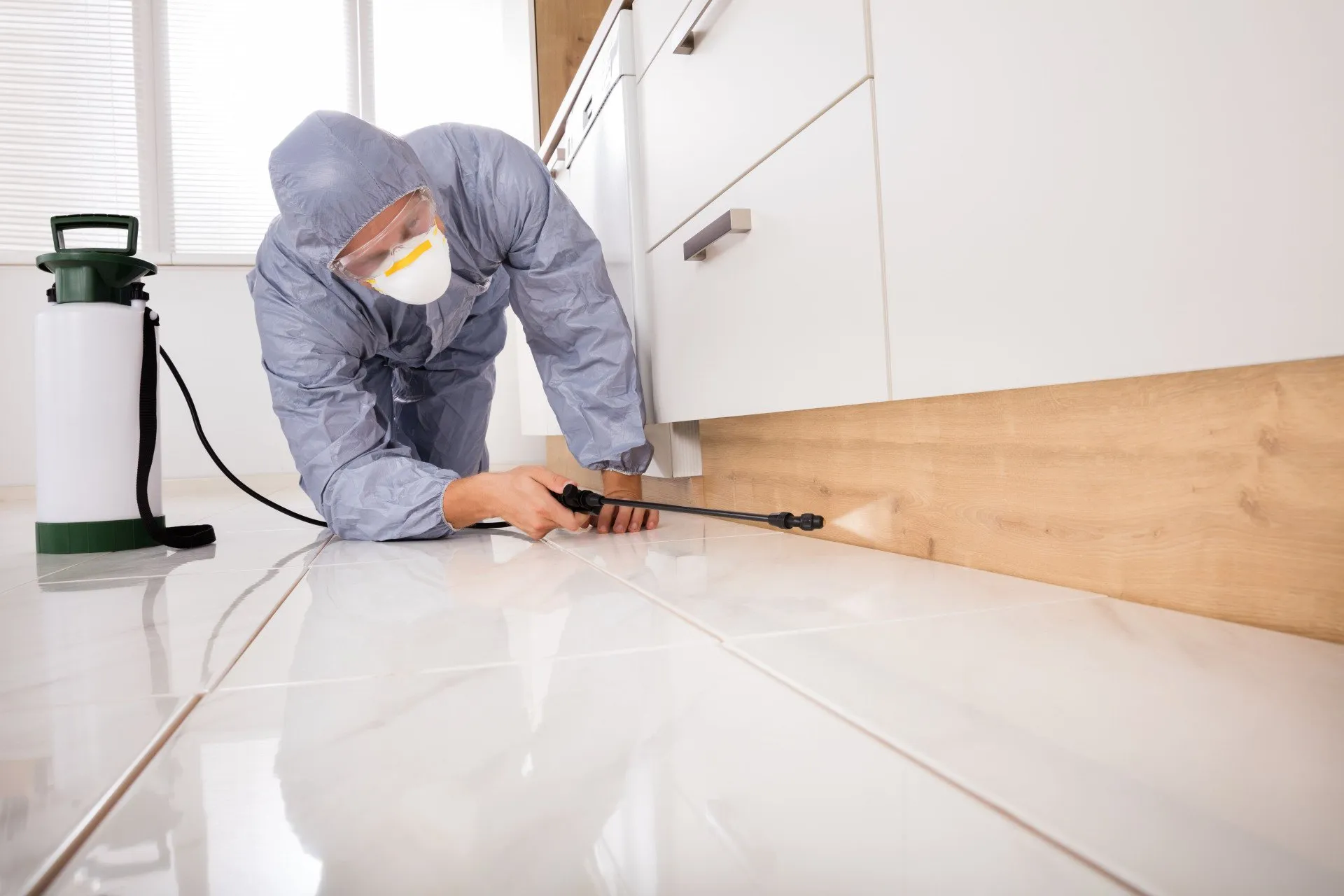
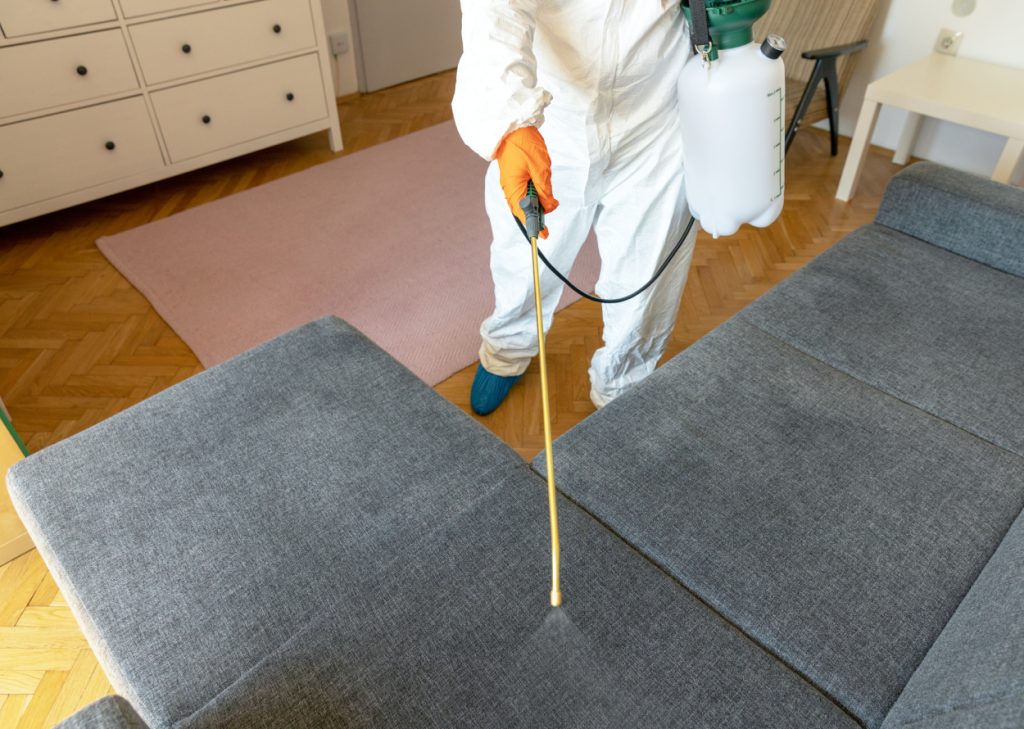
Some infestations stay out in the open. Ants trail across countertops, wasps build in plain sight under eaves, and mice leave enough evidence along baseboards to make the problem obvious. The harder jobs are different. They take hold behind walls, under slabs, inside voids above ceilings, deep in crawl spaces, or high in rooflines where most property owners never look. By the time the activity becomes visible, the colony or harborage is often well established.
That is where experienced Pest Control Services separate themselves from basic spray-and-go work. Hard-to-reach infestations are not solved with more product. They are solved with access, diagnosis, patience, and an understanding of how specific pests use a building. In practice, the job often looks less like extermination in the popular sense and more like forensic fieldwork. The technician has to read subtle signs, map movement, choose a treatment that can reach the target without damaging the structure, and then verify that the pressure is truly gone.
Why hidden infestations behave differently
A hidden infestation usually has two advantages: protection and time. Pests that settle inside wall voids, attic insulation, sewer lines, or beneath appliances are buffered from weather, casual cleaning, and many off-the-shelf treatments. They are also less likely to be disturbed early, which gives populations time to spread.
German cockroaches are a good example. In a lightly infested kitchen, a homeowner may see a few adults near the sink at night. In a deeper infestation, the main population is often packed into warm, narrow voids around refrigerators, dishwashers, microwave cavities, and electrical chases. Spraying the floor may kill a few stragglers, but it does little to address the breeding pockets where nymphs and egg cases are concentrated.
The same pattern shows up with rodents. A mouse seen in a pantry is not the whole problem. The real activity may be in the suspended ceiling of a retail unit, along utility penetrations behind shelving, or inside insulation in a shared wall between apartments. If the nesting site and travel routes remain untouched, sightings may dip for a few days and then return.
Hard-to-reach infestations also create misleading clues. Residents often treat the symptom they can see. They focus on the bathroom where drain flies appear, the bedroom where bed bug bites are noticed, or the basement corner where silverfish turn up after rain. The source may be somewhere else entirely. Moisture-loving pests can breed in a crawl space and surface on an upper floor through plumbing lines. Stinging insects can enter living areas through recessed lights while the nest sits several feet away in a soffit void. That disconnect is one reason amateur treatment so often fails.
Inspection is the part most people underestimate
When an experienced technician walks into a property with a hidden infestation, the first visit is rarely about immediate treatment alone. It is about narrowing possibilities. Good pest work starts with pattern recognition, and hard-to-reach infestations demand more of it.
The inspection is usually built around a few practical questions. Where are pests feeding. Where are they nesting or harboring. How are they moving between those points. What conditions are sustaining them. Those questions sound simple, but the answers can involve several systems at once, including plumbing, ventilation, insulation, exterior grading, food storage, and construction gaps.
Technicians rely on direct evidence, but a surprising amount comes from secondary clues. Grease rubs on a joist may indicate rodent travel. Fine frass below a tiny exit hole can point to wood-boring beetles. Specks around hinge recesses may reveal cockroach activity in cabinet voids. A faint, sweet odor in a wall cavity can suggest a dead rodent or a social insect colony. Even the timing of sightings matters. Seeing winged ants around a window after rain leads the inspection in a different direction than finding them around a baseboard heater in winter.
In older homes, inspection often turns into a study of how the building has changed over time. Additions create hidden roof intersections. Replaced plumbing leaves abandoned chases. Finished basements conceal cracks and sill gaps that were once visible. One technician I worked alongside on a multifamily account used to say that every remodel creates a new pest highway unless someone intentionally seals it. He was usually right.
Tools that reach where hands cannot
Expert Pest Control Services do not rely on one universal technique. Hidden infestations require specialized tools because the treatment has to reach the pest without turning the property into a demolition project.
A few methods are especially useful in inaccessible spaces:
- Inspection cameras and borescopes let technicians look into wall voids, behind tubs, under cabinets, and above ceiling tiles through very small openings.
- Dust applicators can distribute labeled insecticidal dusts into voids where liquid treatments are impractical or unsafe.
- Baiting systems allow pests to carry active ingredients back to hidden nesting areas, which is especially effective for ants, cockroaches, and some social insects.
- Monitoring devices such as glue boards, insect monitors, and tamper-resistant rodent stations help map activity and confirm whether treatments are working.
- Exclusion materials, including copper mesh, sealants, metal flashing, and hardware cloth, close access points once the active pressure is reduced.
The value of these tools is not the tool itself. It is knowing when not to use one. Dust can be excellent in a dry wall void and a poor choice near certain HVAC pathways. Baits can outperform sprays for German cockroaches, but only if competing food sources are controlled and placement is precise. Foam applications can fill irregular cavities well, though they are not a substitute for structural repair when water damage is the real issue sustaining the infestation.
Wall voids, ceiling spaces, and other concealed routes
Wall voids are among the most common hiding places because they provide darkness, stable temperature, and a network of protected travel lanes. Ants, cockroaches, rodents, and even some wasp species use them. The challenge is that a wall void is rarely a single chamber. It is a vertical and horizontal path linked by electrical boxes, plumbing penetrations, framing gaps, and trim breaks.
A careful technician will often inspect adjacent rooms, not just the room where the complaint was reported. If ants are appearing near a second-floor window, the colony may be entering at the exterior siding line, traveling through insulation voids, and surfacing where condensation or plant debris around that window makes the area attractive. Treating only the visible window frame can miss the broader route.
Ceiling spaces present their own complications. Drop ceilings in commercial properties are famous for harboring rodents and roaches because they offer warmth from lighting and equipment, easy movement above occupied spaces, and less disturbance. In restaurants, a technician may find activity above a prep line but trace the sustaining conditions back to grease buildup around conduit penetrations several feet away. In offices, the source may be a breakroom drain and a nearby janitorial sink rather than the desk area where insects were first noticed.
Expert treatment in these spaces usually combines targeted application with follow-up monitoring. The first goal is to reduce the active population without flushing pests into occupied rooms. The second is to verify that travel has stopped. Without that second step, a service can look successful on day three and fail by week three.
Crawl spaces and attics demand a different kind of judgment
Crawl spaces and attics are physically hard to work in, but the real challenge is environmental. Heat, dust, insulation, wiring, low clearance, and poor lighting all affect how treatment can be applied. So does safety. An experienced technician will not treat blindly around electrical hazards, damaged ductwork, or unstable framing.
Crawl spaces often support insects because they hold moisture and organic debris. Camel crickets, spiders, termites, ants, and occasional invaders all benefit from damp wood, standing water, and clutter. Rodents use them as highways, especially where utility lines enter from the exterior. The technician has to think beyond immediate knockdown. If a crawl space remains wet, cluttered, and accessible, the infestation pressure will return.
Attics lean toward a different set of pests. Rodents nest in insulation, wasps and hornets establish in https://www.podbean.com/user-XMYdeKHaNu5K gable vents and soffits, and wildlife may enter through roof returns or construction gaps no wider than a couple of inches. Heat complicates service timing. Midday summer attic work can be punishing, and on some jobs it is smarter to inspect early, stage the treatment plan, and return during safer temperature windows. That kind of restraint is a mark of professionalism, not delay.
I once saw a severe rodent case in a large suburban attic where the homeowner had set more than two dozen snap traps over several weeks with almost no success. The traps were not the problem. Placement was. They had been set in open areas where a person could comfortably stand, while the mice were traveling tight to framing members behind stored boxes and through compressed insulation runs near HVAC lines. Once those runways were identified, the capture rate changed within days. Access and understanding mattered more than quantity.
Treating the structure without over-treating the space
One of the most important differences between expert service and improvised service is restraint. Hard-to-reach does not mean saturate everything and hope for the best. In fact, hidden infestations often respond better to smaller, more deliberate interventions.
For cockroaches, that may mean placing multiple pea-sized bait placements inside hinges, motor housings, and warm harborage zones rather than broad surface spraying. For ants, it can mean choosing a non-repellent approach that allows workers to carry material back into a colony instead of scattering them deeper into the structure. For rodents, it often means reducing harborage and sealing entry points while using traps strategically along known runways, not randomly across a room.
The trade-off is time. Precise treatment can require several visits because the technician is not just killing what is present today. They are interrupting the pest’s ability to recover. This matters in apartment buildings, food facilities, schools, and healthcare settings where risk tolerance is low and access to occupied areas may be limited.
There is also a legal and safety dimension. Pesticides have labels, and those labels govern where and how a product can be used. Professionals work within those constraints. They also consider ventilation, resident sensitivities, pets, food-contact areas, and the possibility that a hidden treatment site connects to another occupied zone. Skill is not just technical reach. It is the judgment to reach the target without creating a new problem.
Why exclusion is often the real fix
A hidden infestation can be treated successfully and still return if access remains open. That is why exclusion is such a central part of serious pest work. After population reduction, the structure itself has to stop inviting reinfestation.
In rodent jobs, exclusion can be more labor-intensive than trapping. A gap around an AC line, a broken crawl vent screen, a warped garage door corner, and an uncapped utility penetration can all support repeat entry. Technicians who understand building envelopes know that mice and rats rarely use just one route. Close one obvious hole and they may shift twenty feet down the wall to the next weak point.
With insects, exclusion can be subtler. A failing door sweep can support cockroaches in a restaurant corridor. Unsealed expansion joints can contribute to ant movement in slab construction. Torn vent screening can allow cluster flies, stink bugs, or wasps into attic spaces. Even lighting choices matter around some commercial exteriors because bright entry lighting draws night-flying insects toward doors.
The best service reports usually document this clearly. They separate active treatment from correction recommendations. That helps owners understand what the pest company can solve directly and what must be addressed through maintenance, sanitation, drainage work, or contractor repair.
Hidden infestations in multi-unit buildings
Apartments, condos, hotels, and mixed-use buildings add a layer of difficulty because the pest issue rarely belongs to one unit alone. A resident may see cockroaches in a kitchen or bed bugs in a bedroom, but the conditions driving the infestation can extend through plumbing walls, common chases, laundry rooms, trash areas, or neighboring units.
This is where expert Pest Control Services rely on building-wide thinking. A single-unit treatment in isolation may bring short-term relief, but it can fail if adjacent units remain untreated or if access restrictions prevent inspection of connected spaces. German cockroach control in particular is notorious for this. Populations move with heat, water, and food access, and they can repopulate a treated unit from a neighboring one surprisingly fast.
Communication matters here as much as chemistry. Property managers need realistic timelines, residents need preparation instructions they can actually follow, and technicians need enough access to complete inspection and follow-up. When those pieces line up, outcomes improve. When they do not, technicians are often forced to chase symptoms from one unit to the next.
Signs a hard-to-reach infestation needs professional help
Some pest problems are manageable early. Others are not. A few patterns usually indicate it is time to bring in trained help rather than continue trial-and-error treatment:
- Activity appears in multiple rooms or on multiple floors without a clear source.
- Sightings drop briefly after treatment and then return in the same or greater numbers.
- You hear movement in walls, ceilings, or under floors, especially at night.
- You find droppings, frass, shed skins, grease marks, or insect parts without seeing where pests are entering from.
- The affected area involves electrical lines, insulation, confined spaces, food service areas, or shared walls with neighboring units.
Professionals are not just there for severe infestations. They are there for complicated ones. Complexity is often what makes a pest issue expensive if it is mishandled early.
Follow-up is where the job is proved
The public often imagines pest control as a single decisive event. Hidden infestations almost never work that way. The first treatment is an intervention, not a verdict. Proof comes later, through reduced monitor counts, fewer fresh droppings, the absence of new damage, and the disappearance of breeding indicators.
A strong follow-up visit is specific. The technician checks the exact places that mattered during inspection, reviews whether sanitation and exclusion steps were completed, and adjusts the plan if pest pressure shifted. If a roach monitor behind a refrigerator still shows nymph activity while nearby stations remain clean, the response changes. If mice are no longer taking bait in the basement but fresh rub marks appear in a garage storage area, the route has changed and the plan needs to change with it.
This is also where honest service matters. Not every callback means failure. Eggs hatch, hidden carcasses attract secondary pests, and seasonal pressure can reveal new entry points after the original problem is under control. Good companies explain that distinction clearly. They do not pretend every infestation ends in one visit, and they do not keep applying the same treatment if the evidence says the approach needs revision.
Experience shows up in small decisions
People often ask what makes one pest professional better than another when both have access to similar products. The answer is usually in the small decisions. Which wall void actually needs treatment. Whether a bait should be moved two feet closer to heat. Whether the scratching in the bedroom wall sounds more like a roof rat or a squirrel moving down from the soffit. Whether moisture readings suggest a chronic plumbing leak behind the shower tile. Whether a customer’s report of daytime roach sightings means the infestation is heavy enough that appliance pull-out is non-negotiable.
Those judgments come from repetition and from seeing how buildings fail under pest pressure. They also come from being willing to slow down. The technician who spends an extra fifteen minutes tracing a conduit line or lifting insulation at the eave often solves in one cycle what hurried work misses for months.
Hard-to-reach infestations test every part of the trade. They require inspection skill, safe application, product knowledge, structural awareness, and disciplined follow-up. When handled properly, the result is not just fewer sightings. It is a building that no longer gives pests hidden shelter, reliable access, and time to multiply. That is the real standard of expert pest control, especially when the problem lives where most people never think to look.
Affordable Pest Solutions LLC
Phone number: +19732299547
FAQ About Pest Control Services
How much does pest control charge?
For a standard 1,500-square-foot home, professional pest control charges generally average $100 to $300 for an initial visit, with ongoing monthly services running $40 to $75 per visit and one-time emergency exterminations costing $100 to $600, depending heavily on the specific pest and the severity of the infestation.
What is the hardest pest to get rid of?
Bed bugs are widely considered the hardest household pest to get rid of, closely followed by German cockroaches and subterranean termites.
What is included in a pest control service?
A standard pest control service includes a property inspection, targeted treatments, and prevention advice. It typically covers common pests like ants, spiders, and cockroaches, using sprays, baits, or traps.