Customized Pest Control Services for Unique Property Needs

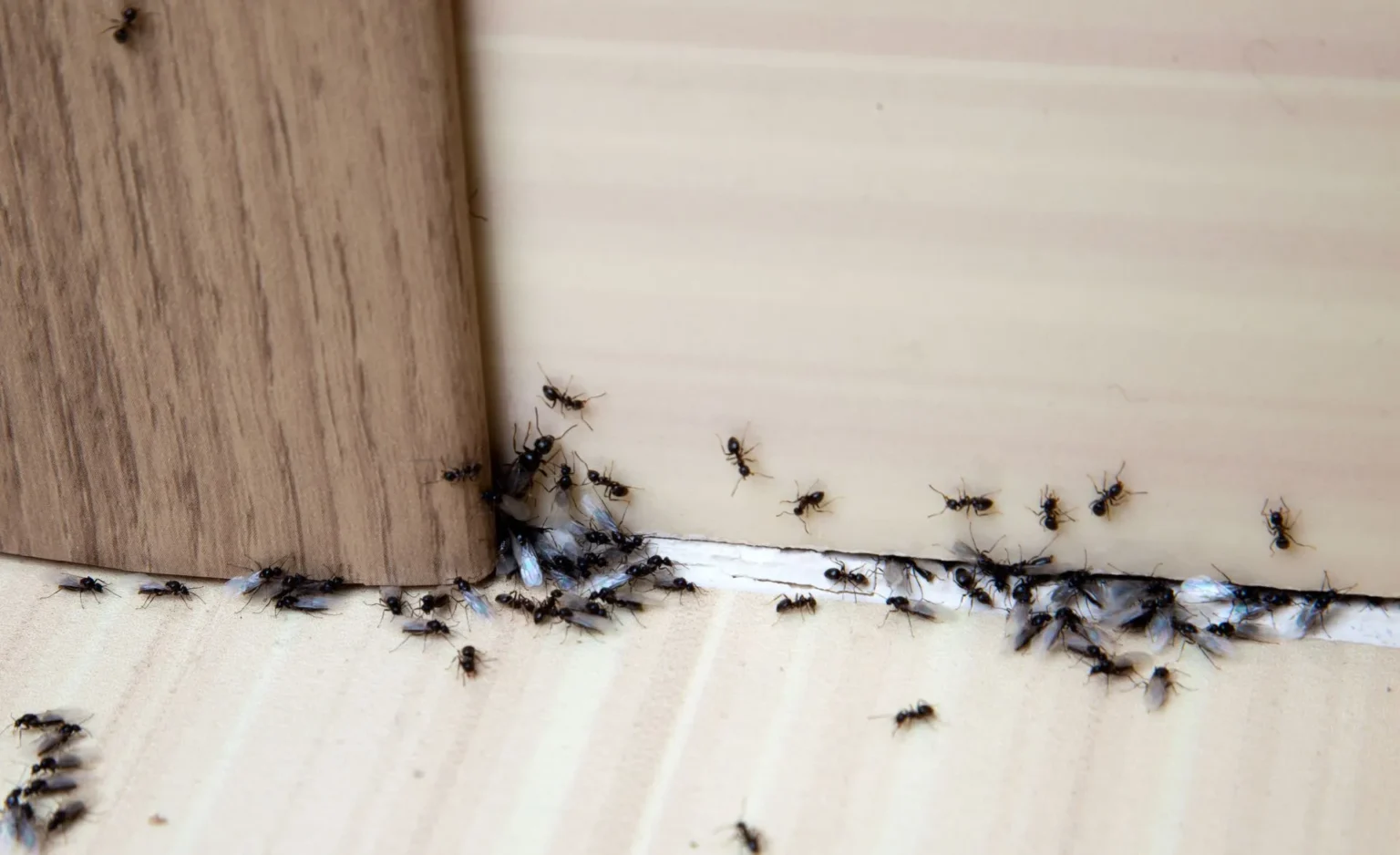
No two properties host pests in quite the same way. That sounds obvious until you see how often building owners are sold the same treatment plan for a downtown restaurant, a horse barn, a warehouse near a rail line, and a family home with a crawl space that stays damp nine months of the year. The pests may share names, but the pressure points do not. Structure, use, landscaping, sanitation habits, moisture levels, surrounding land, and even occupant schedules change the job.
That is why customized Pest Control Services matter. Not as a marketing phrase, but as a practical standard. The best results come from plans built around the specific conditions that allow pests to survive and reproduce on a given property. A generic spray schedule may suppress activity for a while. A targeted program identifies the reasons pests are there in the first place, then narrows the options to the tools, timing, and monitoring methods most likely to work with the least disruption.
Professionals who spend years in the field learn this quickly. A treatment that performs well in one location can fail a mile away because the neighboring creek line increases mosquito pressure, or because an older foundation wall has enough voids to shelter overwintering rodents, or because a property backs up to unmanaged vegetation where ticks and fleas cycle through wildlife. The work becomes less about applying product and more about reading a site accurately.
Why one-size-fits-all plans fall short
A standard plan usually assumes average conditions. Real properties are rarely average. A daycare center cannot be approached the way a storage yard can. A food processing site has audit requirements and sanitation protocols that shape every service visit. A historic home may have structural limitations that restrict drilling, moisture barriers, or exclusion work. Apartment buildings add another layer because pest activity often moves through shared walls, utility chases, and trash rooms.
Even within residential settings, the differences are substantial. A slab home with tidy landscaping presents one set of risks. A wood-framed house with a shaded crawl space, stacked firewood near the siding, and a bird feeder over the patio presents another. The same ant species can behave differently depending on season, available food, and water access. Carpenter ants in spring often point toward damp wood or hidden moisture. Pavement ants in midsummer may be foraging from sidewalk cracks into kitchens. The species matters, but the setting matters just as much.
Generic service also tends to miss the human side of pest management. Occupant behavior can help or hinder results. In multifamily housing, one unit may keep immaculate housekeeping while the adjoining unit stores cardboard, leaves pet food down overnight, and reports issues only after activity becomes severe. In commercial buildings, a receiving door left open for ventilation can undo weeks of fly management. Customized service accounts for these patterns rather than pretending they do not exist.
What a tailored pest program actually considers
When experienced technicians walk a property, they are collecting more than a list of visible pests. They are building a map of access, harborage, food, water, and timing. That assessment often includes several overlapping questions:
- What pests are present now, and what evidence suggests seasonal or recurring activity?
- How are they getting in, whether through structural gaps, deliveries, drains, rooflines, or landscape contact?
- What conditions support them, such as standing water, clutter, grease residue, pet feeding routines, or poor drainage?
- What level of tolerance does the property have, based on health concerns, regulatory standards, and occupant sensitivity?
- Which control methods fit the site safely and practically, from exclusion and trapping to habitat modification and targeted treatment?
Those questions sound straightforward. The value lies in how they are answered. An office building with occasional mice may need heavy exclusion at loading areas and utility penetrations. A clinic with the same complaint may require that plus stricter monitoring placement, service timing outside patient hours, and documentation suitable for inspections. The pest is the same. The service model is not.
Residential properties: where daily habits meet structural realities
Homeowners often call after seeing the pest itself, a line of ants on the counter, scratching in the attic, wasps under the eaves. By then, the conditions that support the problem have usually been in place for weeks or months. Customized residential Pest Control Services begin by separating symptom from source.
Take German cockroaches in a condo kitchen. The source may not be inside that unit at all. Shared plumbing walls, neighboring infestations, and common trash rooms are frequent contributors. Treating only the visible kitchen activity gives a temporary result at best. A better plan may involve gel bait placements in precise zones, inspection of adjoining units where possible, reduction of excess moisture under sinks, and coordination with property management to address garbage handling.
Rodent work in detached homes is another example. Many people assume baits alone solve mice and rats. Sometimes they reduce numbers, but unless entry points are found and corrected, activity usually returns. On one older property near a wooded edge, a small gap at the air conditioning line and a damaged crawl vent were enough to support repeated mouse complaints. Once those openings were sealed and the dense ivy along the foundation was cut back, trap captures dropped sharply. The chemistry did not change. The strategy did.
The same principle applies to termites, although the stakes are higher. A treatment plan for a slab home with expansion joints differs from one for a basement home with multiple additions and hidden voids. Moisture issues from leaking hose bibs, clogged gutters, or soil contact with siding can increase risk significantly. A thorough termite program does not start and end with treatment. It includes an inspection culture, meaning the property is checked with an eye toward wood-soil contact, grading, drainage, and inaccessible areas where damage can advance quietly.
Bed bug cases may be the clearest proof that customization is necessary. A single-family home occupied by one person who can prepare rooms carefully is very different from a busy household with children, shift work, and limited ability to launder or declutter on a tight schedule. The treatment itself may be sound, but if the preparation plan ignores how people actually live, follow-through breaks down. Good service meets the household where it is, then narrows the steps to what matters most.
Commercial sites demand a different level of planning
Commercial pest control is often less forgiving. Food safety rules, customer expectations, employee traffic, public https://riverbsuv573.inkharbory.com/posts/how-pest-control-services-prevent-recurring-infestations visibility, and audit pressures all raise the stakes. Here, customization is not optional. It is the difference between a manageable issue and a failed inspection.
Restaurants, for instance, are highly dynamic environments. Heat, moisture, grease, drains, deliveries, and frequent door use create ideal pest conditions. A customized plan may focus heavily on drain flies in one kitchen and stored product pests in another. The treatment methods can be modest if the inspection is sharp. One bakery may need close monitoring of incoming flour storage and spill cleanup around mixers. A bar with little food prep may be more vulnerable to fruit flies around soda guns, floor drains, and mop sinks. Saying both need "monthly service" is not enough. The service tasks within that visit are what matter.
Warehouses create a different profile. Wide-open spaces, dock doors, pallet storage, and fluctuating temperatures often invite rodents and birds. The challenge is visibility. People may not notice activity until droppings accumulate in low-traffic corners or packaging shows gnaw marks. Customized Pest Control Services for warehouses often emphasize exterior pressure reduction, door sweeps, dock seals, monitoring in travel lanes, and better control of spill response. In facilities that store paper goods or dry foods, inspections need to include racking heights and dead spaces that are easy to overlook.
Healthcare settings require still more care. Products, odors, noise, and equipment placement all need consideration. Sensitive populations change the service approach, and the threshold for visible pests is understandably low. In these environments, exclusion, sanitation coordination, crack and void treatment, and discreet monitoring usually take priority over broad treatment methods. Documentation also matters. A strong program creates a record of findings, recommendations, and trend lines so facility managers can act on recurring conditions rather than treating each sighting as an isolated event.
Outdoor conditions often decide the indoor problem
Many pest problems begin outside long before they cross the threshold. Yet property owners often focus only on interior treatment because that is where the pest is noticed. Customized service looks outward.
Mosquito control is a good example. Spraying foliage can reduce adult resting populations, but if gutters stay clogged, toys hold rainwater, ornamental containers remain untreated, and drainage swales stand full after every storm, relief will be short-lived. A useful mosquito plan reads the landscape. Shade density, irrigation patterns, low spots, decorative water features, and neighboring properties all affect results. Timing matters too. Service intervals during a rainy month may need adjustment compared with a dry stretch.
Tick control follows a similar pattern. A property bordered by woods or brush usually sees more pressure than a sunny suburban lawn with little wildlife activity. But even on smaller lots, groundcover, leaf litter, and fence lines can create favorable habitat. Pet movement matters. So does deer traffic. Good service in these cases blends habitat reduction with targeted treatment in transition zones where ticks are likely to quest.
Stinging insects reveal another outdoor nuance. Nesting pressure varies by species and structure. Paper wasps favor protected eaves and utility covers. Yellowjackets may nest in wall voids, landscape timbers, or old rodent burrows. Hornet issues often depend on tree canopy and sheltered aerial sites. A technician who treats every wasp complaint the same will miss these patterns. A technician who studies flight lines, nest location, and repeat-use areas can often solve the problem faster and with less material.
Special property types need special judgment
Some properties come with constraints that shape the entire service plan. Historic buildings are a common case. Older construction can mean fieldstone foundations, balloon framing, unsealed utility routes, and decorative features that provide hidden access. At the same time, preservation rules may limit alteration. In these settings, pest control and building stewardship must work together. You cannot simply treat first and ask questions later.
Schools present another challenge. Occupancy patterns are dense, and stakeholder concerns are high. Teachers, custodians, administrators, and parents all notice different parts of the problem. A custom school program often succeeds or fails based on communication. If cafeteria staff understand drain maintenance, if teachers report food storage issues promptly, and if maintenance teams close wall gaps after plumbing work, pest pressure drops. If those pieces remain disconnected, service becomes a constant reset.
Agricultural and equestrian properties stand apart as well. Feed storage, bedding, manure, standing water, and outbuildings create a broad pest profile that can include flies, rodents, ants, wasps, and occasional wildlife conflicts. Here, total elimination is rarely realistic. Reduction, containment, and strategic pressure management are more honest goals. The plan has to acknowledge what the property is and what it cannot become.
Matching methods to the property, not forcing the property to fit the method
One mark of a seasoned pest professional is restraint. Not every issue needs the same tool, and not every client benefits from the most aggressive option. The method should fit the site.
For some properties, exclusion delivers the biggest return. Door sweeps, vent screens, utility seal-ups, chimney caps, and vegetation setbacks can do more than repeated treatments alone. For others, monitoring is the key because the risk lies in early detection. This is common in commercial settings where trend analysis helps catch a problem before it becomes visible.
Baiting can be highly effective when pest biology supports it, but placement precision matters. Broad placements made without understanding travel routes often disappoint. Trapping is similar. Rodent traps set where people think mice "should" travel are far less useful than traps placed based on rub marks, droppings, warmth sources, and wall contact.
Chemical applications still have an important place in many programs, but the best results come when they are used with purpose. Spot treatment, crack and crevice work, dusts in appropriate voids, growth regulators where warranted, and exterior perimeter work tied to known pressure zones all perform better than routine blanket treatment. The difference is intentionality.
The role of communication in successful Pest Control Services
A custom plan only works if everyone involved understands their part. This is easy to underestimate. Many recurring pest problems are really communication problems wearing a biological disguise.
A technician may note standing water behind a commercial dumpster for three months, but if no one owns the correction, mosquitoes and flies persist. A homeowner may be told to trim shrubs off the siding, but if the reason is not explained, it can feel cosmetic and get ignored. Property managers may hear "sanitation issue" and think that means basic cleaning, when the real concern is hidden grease under equipment or cardboard accumulation in a utility room.
The strongest providers explain findings in plain language, set priorities, and distinguish between urgent corrections and worthwhile improvements. They also avoid overselling certainty. Pest control involves probabilities, not magic. Some infestations resolve quickly. Others require staged work and follow-up. Honest expectations build trust and usually lead to better cooperation.
A practical service report should tell the client what was found, where it was found, what was done, and what conditions still need attention. That level of clarity is especially useful in multifamily housing and commercial accounts, where several people may touch the issue between visits.
Signs that a provider is truly customizing the plan
Property owners can usually tell within the first few visits whether they are receiving tailored service or a generic route stop. Certain behaviors stand out.
- The technician spends real time inspecting, not just treating the same spots every visit.
- Recommendations connect directly to observed conditions on the property.
- The service plan changes when seasons, occupancy, or pest pressure change.
- Reports document trends and note unresolved structural or sanitation issues.
- Follow-up questions focus on results, not just whether pests were seen again.
This does not mean every visit must be long or dramatic. Often, a well-designed program becomes more efficient over time because the root conditions have been reduced. But efficiency is different from autopilot. Good service remains alert.
Cost, value, and the false economy of minimal service
Price matters, and pest control budgets are real. Still, the cheapest plan is often expensive in the long run if it ignores the property’s actual needs. Repeated call-backs, product overuse, tenant complaints, food loss, failed audits, or structural damage can quickly overtake the savings from a bargain service agreement.
A customized plan may cost more upfront because it includes deeper inspection, exclusion recommendations, more detailed documentation, or service frequency tied to actual risk. Yet it often lowers total cost over time by reducing recurrence. This is especially true with rodents, termites, bed bugs, and recurring fly issues in commercial settings. Solving the cause is generally cheaper than treating the symptom over and over.
There is also a value question beyond direct cost. For hospitality properties, reputation can suffer from one visible pest incident. For homeowners, unresolved issues create stress that does not fit neatly into a spreadsheet. For healthcare and food facilities, pest management touches compliance, safety, and public trust. Viewed through that lens, customization is less about paying for extra steps and more about paying for better judgment.
What property owners should prepare before service begins
A custom pest program works best when the provider gets a clear picture early. Property owners can help without turning the process into guesswork or self-diagnosis.
- Note where and when activity is seen, including recent changes in weather, occupancy, or renovations.
- Save photos if possible, especially for pests that appear intermittently.
- Mention leaks, drainage issues, crawl spaces, attic concerns, or recent deliveries that might be relevant.
- Be candid about pets, children, medical sensitivities, and scheduling constraints.
- Ask what conditions on the property are likely feeding the problem.
These details shorten the path to an effective plan. They also help the technician avoid treating noise instead of signal. A single ant trail after heavy rain may need a different response than recurring kitchen activity every afternoon. Rodent sounds above a bedroom may suggest roof entry in one home and wall movement from the basement in another. Context matters.
The properties that benefit most from tailored service
Almost every property benefits from a customized approach, but some need it more urgently. Multifamily housing, food-related businesses, older structures, properties near woods or water, sites with previous infestations, and buildings serving vulnerable populations all deserve a more precise plan from the start.
That said, even straightforward homes often reveal quirks once someone experienced takes a close look. The grade slopes toward one side. The crawl space vents were screened incorrectly. Mulch is piled against the foundation. Exterior lighting draws insects to entry doors every night. Birdseed spills under a feeder ten feet from the garage. None of these conditions is dramatic alone. Together, they explain why pests keep returning.
The best Pest Control Services recognize that every structure sits inside an ecosystem, and every occupant shapes that ecosystem a little. A custom plan reads both. It combines biology, building knowledge, field observation, and plain common sense. When that happens, control stops being reactive. It becomes deliberate, measurable, and far more durable.
Affordable Pest Solutions LLC
Phone number: +19732299547
FAQ About Pest Control Services
How much does pest control charge?
For a standard 1,500-square-foot home, professional pest control charges generally average $100 to $300 for an initial visit, with ongoing monthly services running $40 to $75 per visit and one-time emergency exterminations costing $100 to $600, depending heavily on the specific pest and the severity of the infestation.
What is the hardest pest to get rid of?
Bed bugs are widely considered the hardest household pest to get rid of, closely followed by German cockroaches and subterranean termites.
What is included in a pest control service?
A standard pest control service includes a property inspection, targeted treatments, and prevention advice. It typically covers common pests like ants, spiders, and cockroaches, using sprays, baits, or traps.